




An hour east of Prague by train, Kutná Hora made its fortune in silver — so much of it, in the 14th century, that the town briefly rivaled Prague itself in wealth and influence. The money is long gone, but the architecture it paid for remains: Gothic churches, a royal mint, and one ossuary that draws visitors from around the world for reasons that have nothing to do with silver.
The Sedlec Ossuary
The ossuary at Sedlec — commonly called the Bone Church — is the reason most people come to Kutná Hora, and it doesn’t disappoint. The interior of the small chapel is decorated with the bones of approximately 40,000 people, arranged into chandeliers, coats of arms, and wall garlands by a local woodcarver in 1870. It’s macabre, yes, but also strangely beautiful. The context matters: this was a sacred cemetery, and the display was intended as a meditation on mortality, not a spectacle. It reads differently once you know that.
The ossuary sits a short walk from the Sedlec train station — you can stop here on the way into town, then walk or take a bus to the old town center.
St. Barbara’s Cathedral
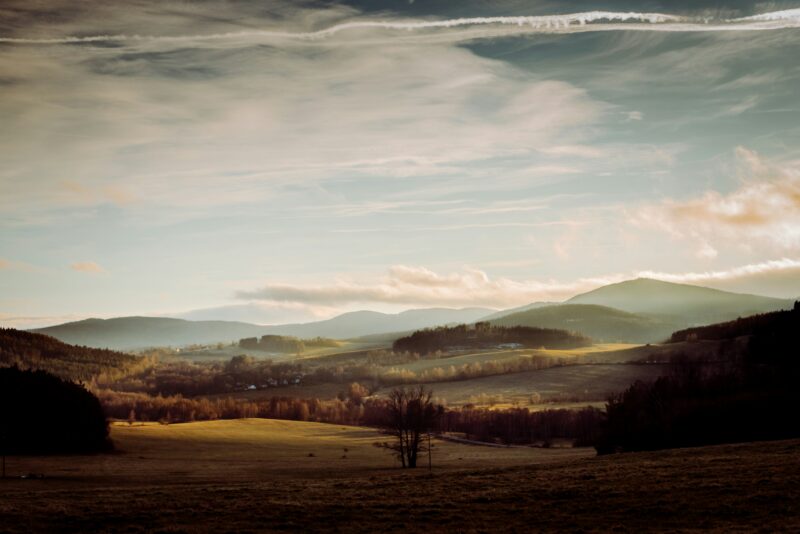
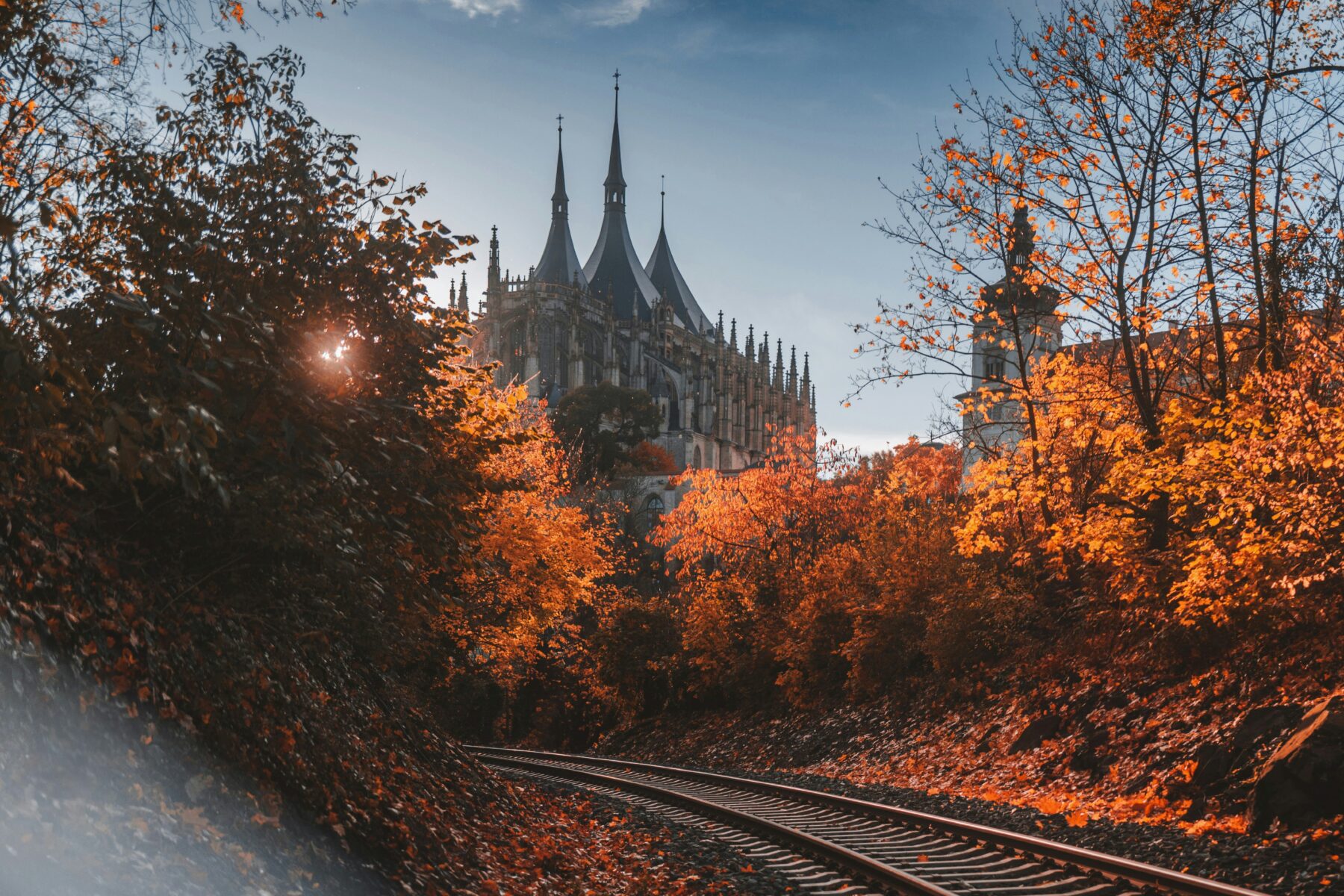
The Cathedral of St. Barbara is the other unmissable sight, and arguably the more rewarding one. Begun in 1388 and not completed until 1905, it’s a Gothic cathedral that grew in fits and starts as the town’s fortunes rose and fell. The flying buttresses, the tent-like roof, and the frescoes inside — depicting medieval miners at work — are all exceptional. It sits at the edge of town above a long Jesuit college promenade with views over the surrounding countryside.
The Old Town
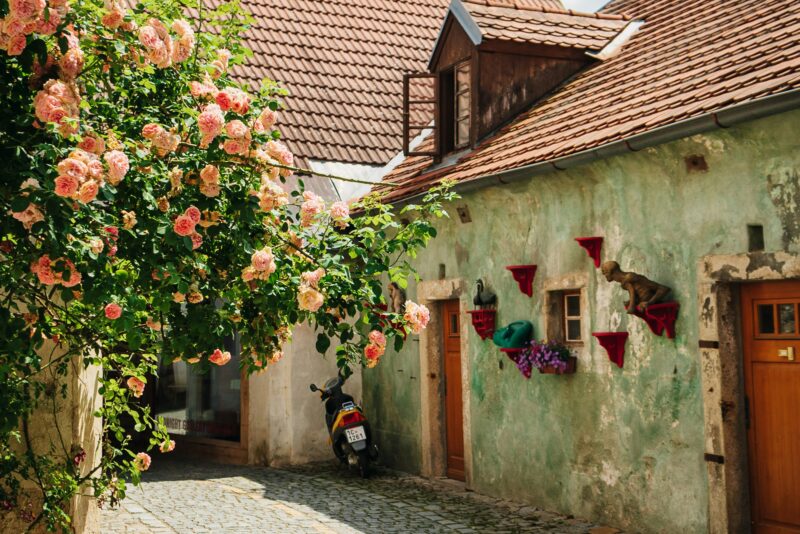
Beyond the two main sights, Kutná Hora’s old town center is genuinely pleasant to wander — quieter than Český Krumlov, with fewer tourist shops and more of a working-town feel. The Italian Court, once the royal mint where Prague groschen were struck, is worth a quick visit. Most people do Kutná Hora as a day trip from Prague, which is perfectly reasonable, though the town deserves more time than it usually gets.