



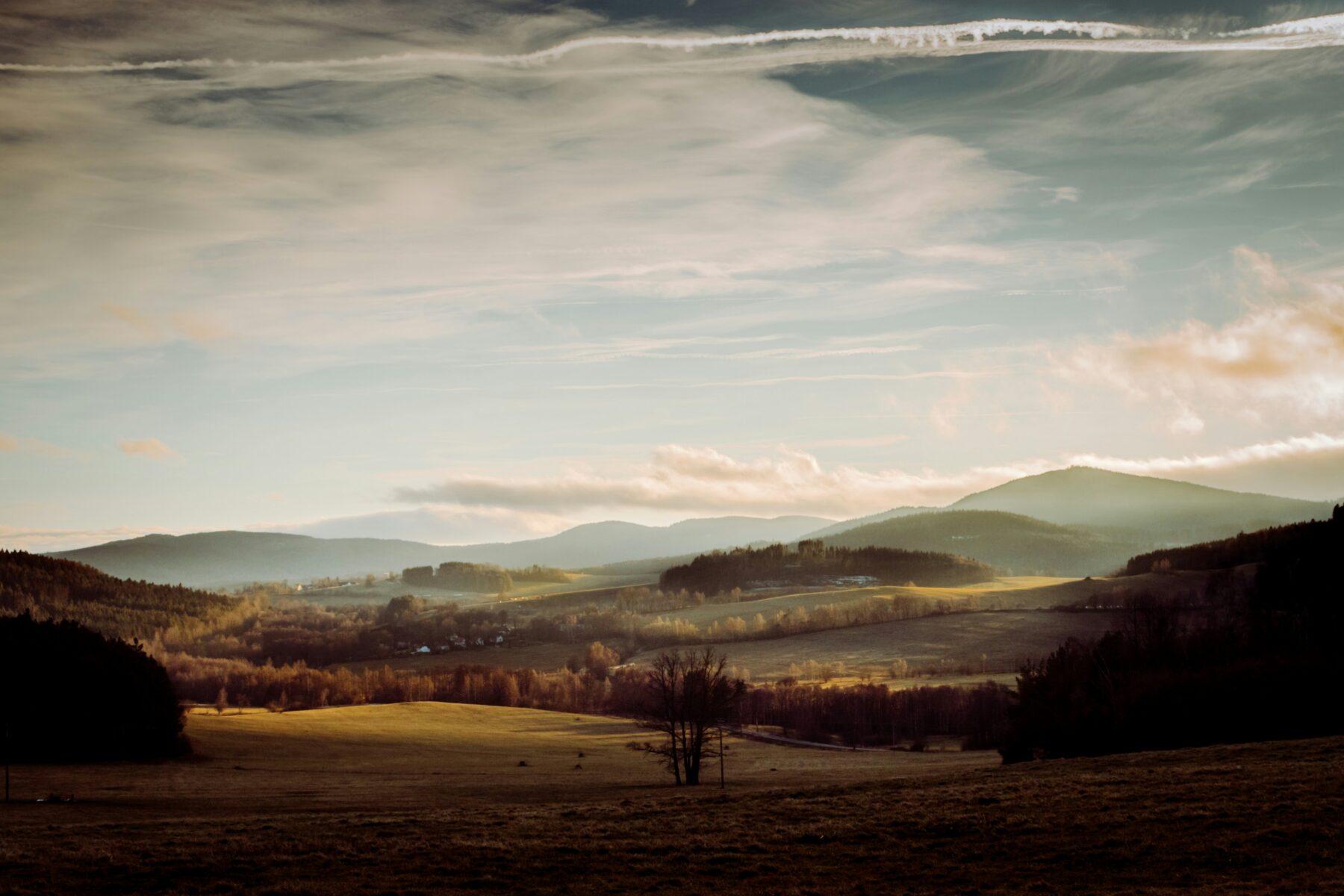
Bohemian Switzerland — České Švýcarsko in Czech — is a national park in the northwest corner of the country, where the Elbe River cuts through a landscape of sandstone towers, deep gorges, and dense pine forest. It shares a border with Saxon Switzerland across the river in Germany, and the two parks together form one of the more dramatic stretches of scenery in Central Europe. Most visitors come for a single iconic sight, but the park rewards anyone willing to spend more than a day.
Pravčická Brána
The natural sandstone arch at Pravčická Brána is the largest in Europe and the park’s most photographed landmark. The hike up from Hřensko takes about an hour through forest and along rocky ridgelines, and the arch itself — 26 meters wide and 16 meters high — is genuinely impressive up close. A 19th-century chalet restaurant sits just beside it, which feels incongruous but also means you can have a beer with one of the better views in the country. Swimming directly under the arch is not permitted, but the surrounding trails offer plenty of vantage points.
The Edmundova Gorge
Below Hřensko, the Kamenice River runs through a series of narrow gorges that can only be navigated by flat-bottomed boat, poled by local ferryman. The Edmundova Gorge is the longer and more dramatic of the two — the canyon walls close in to just a few meters wide in places, and the light filtering down through the rock is extraordinary on a clear morning. The boats run spring through autumn; queues can be long at peak times, so arrive early.
Getting There and Around
The base town is Hřensko, about two hours from Prague by bus or train (change at Děčín). The park is compact enough to explore on foot, but a car makes it easier to reach the trailheads and cross into the German side of the park. Most of the best hiking is on well-marked trails with Czech-German signage throughout. Spring and early autumn are the best seasons — summer weekends bring crowds to Pravčická Brána, and the gorge boats stop running in winter.
If you have two days, spend one in the Czech park and cross into Saxon Switzerland for the other. The landscapes are continuous, the trails connect, and the German side has its own set of viewpoints and rock formations that are worth the walk.