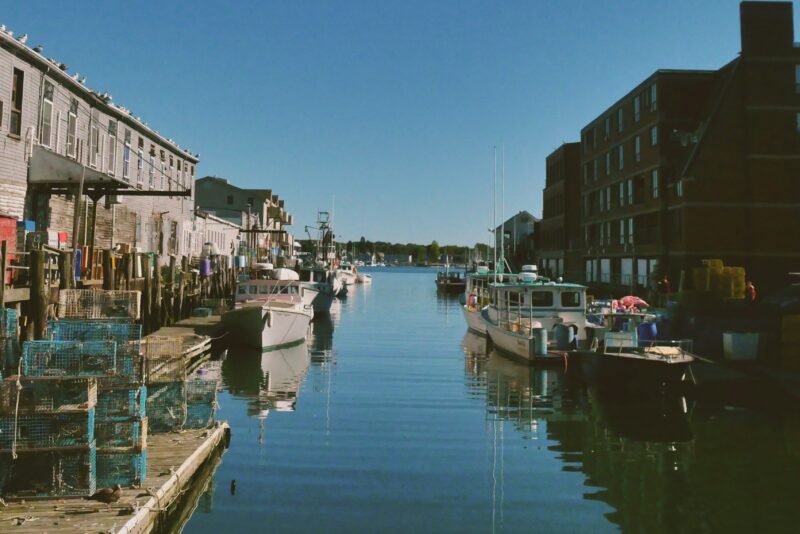
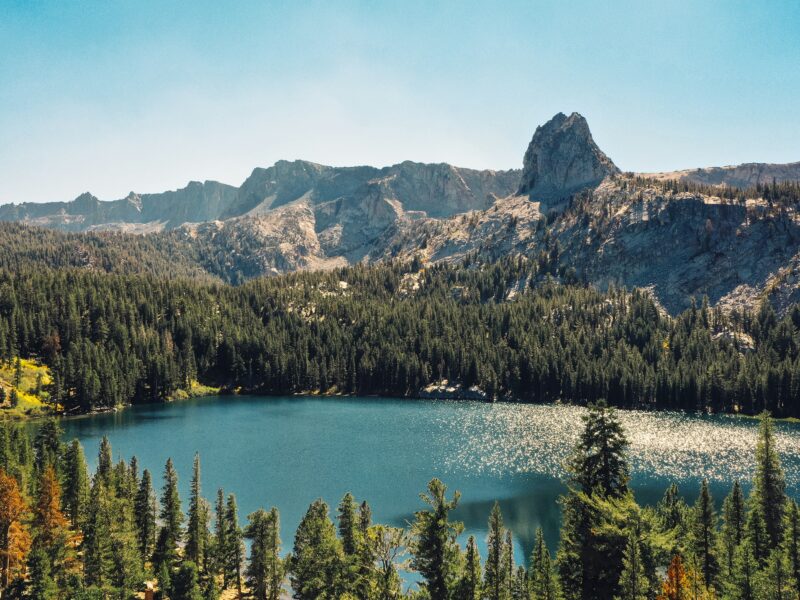
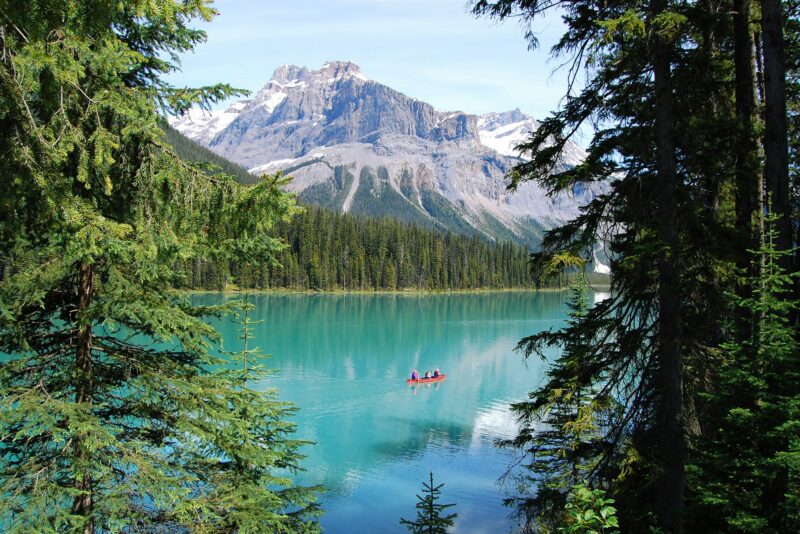







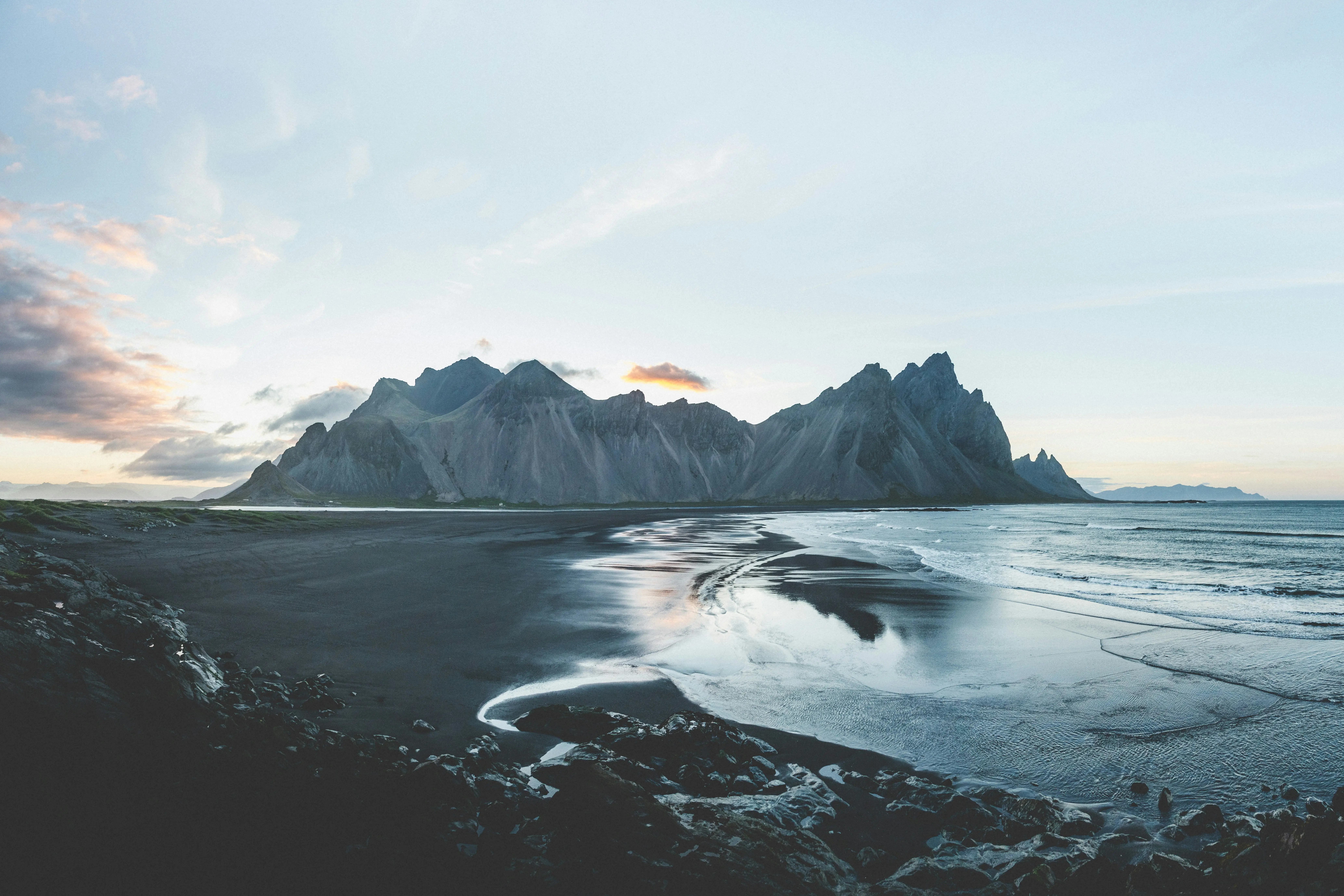
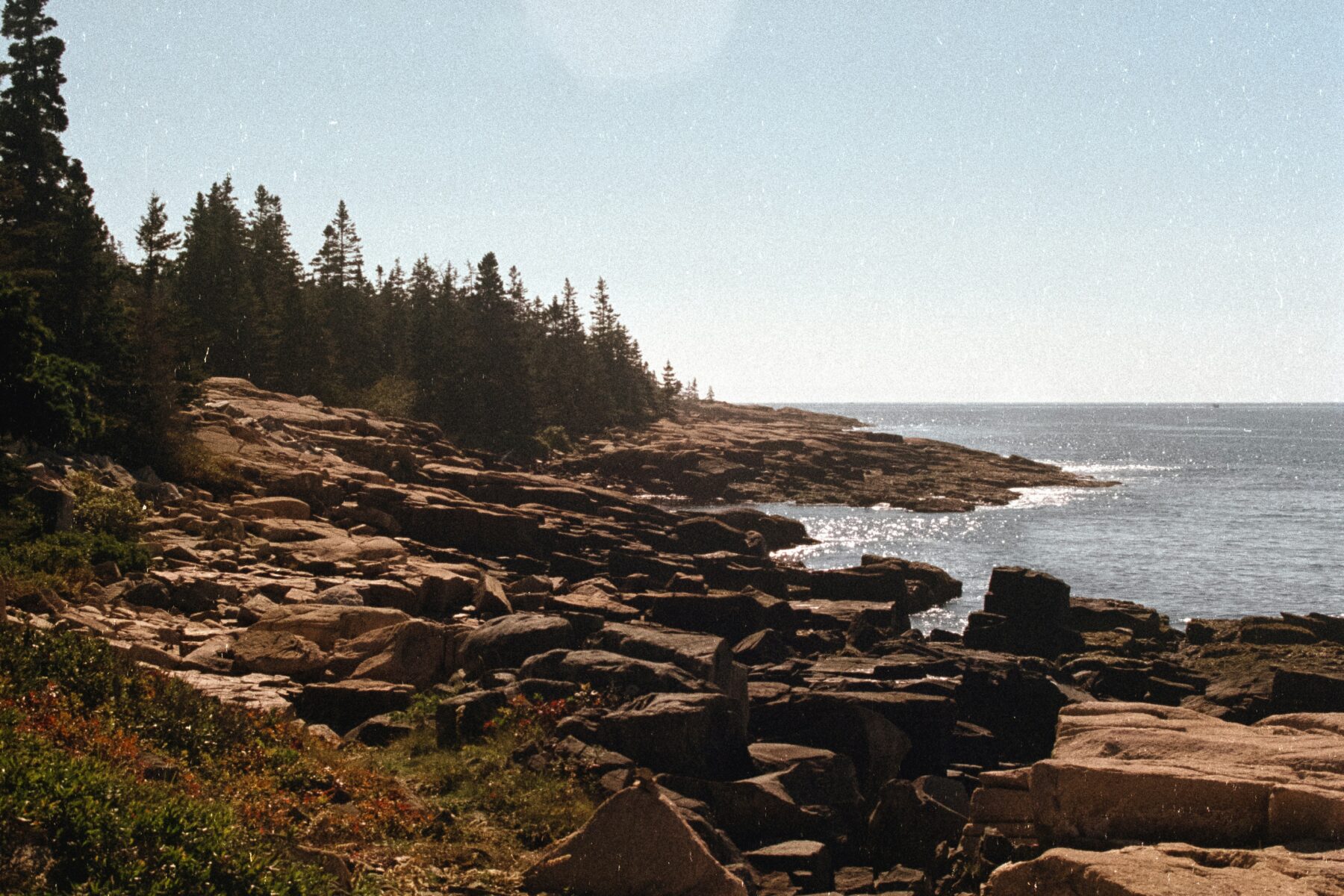
Acadia National Park sits on the rugged coast of Downeast Maine, where the Atlantic crashes against pink granite shorelines and dense spruce forests climb to open summit ridges. It’s one of the most visited national parks in the country — and for good reason. Few places on the East Coast pack this much wild beauty into such a compact, accessible area.
The park covers most of Mount Desert Island, along with a handful of smaller offshore islands and a section of the Schoodic Peninsula on the mainland. The variety of landscapes within a short drive of each other is remarkable: boulder-strewn beaches, glacially carved lakes, towering headlands, and quiet forests where you can go an entire morning without seeing another soul.
Cadillac Mountain
The park’s most famous feature is Cadillac Mountain — at 1,530 feet, the highest point on the eastern seaboard and, for part of the year, the first place in the continental United States to see the sunrise. The summit road winds 3.5 miles to the top, but the real reward goes to those who hike up on foot. The South Ridge Trail is the most scenic approach, offering unobstructed views as the treeline drops away and the open granite summit comes into view. Arrive before dawn on a clear morning and you’ll understand immediately why people set alarms for 4am on vacation.

The Carriage Roads
John D. Rockefeller Jr. spent decades building 45 miles of broken-stone carriage roads through the park — a gift to the public, designed for horse-drawn carriages and closed to motor vehicles to this day. They remain one of Acadia’s great pleasures: wide, well-graded paths that wind through the forest, over hand-built stone bridges, and around ponds and mountain flanks. Rent a bike in Bar Harbor and you can cover a huge swath of the park’s interior at a leisurely pace, with no cars and no crowds.
The Shore Path and Thunder Hole
The Ocean Path follows the shoreline for nearly two miles between Sand Beach and Otter Point, hugging the coast the entire way. It’s mostly flat and entirely beautiful — the kind of walk that makes you stop every fifty meters to look back at the view. Along the way, Thunder Hole is a narrow sea chasm that produces a satisfying boom when wave timing and tide height align just right. Late afternoon on an incoming tide tends to give the best show.
Sand Beach itself is worth a stop even if you have no intention of swimming — the water rarely climbs above 55°F — just to see how improbably beautiful a beach looks when framed by pink granite cliffs on three sides.
When to Go
Summer is peak season and the park gets genuinely crowded — the summit road requires timed entry reservations from late May through October, and Bar Harbor fills up fast. September and early October are the sweet spot: the summer crowds have thinned, the foliage is starting to turn, and the light takes on that low golden quality that makes every photograph look like it was taken with a filter. Late May and early June are also underrated — the park is green, the lupines are blooming along the roadsides, and you can still find parking without a strategy.
Getting There
The park is about four and a half hours from Boston by car, or a little over an hour from Portland. Bar Harbor is the main gateway town — it has plenty of accommodation options, good restaurants, and a ferry terminal with service to the Cranberry Islands. The Island Explorer shuttle runs throughout the park in summer and is genuinely useful for getting around without a car, especially to trailheads where parking lots fill by 9am on busy days.